Reefer Rates Per Mile and the True Cost of Running Cold
Reefer pays more than dry van, but the extra costs are real. Here is what drives reefer rate per mile and whether the premium is worth it for you.
By Rigbird Content Team · May 6, 2026 (updated July 25, 2026) · 9 min read

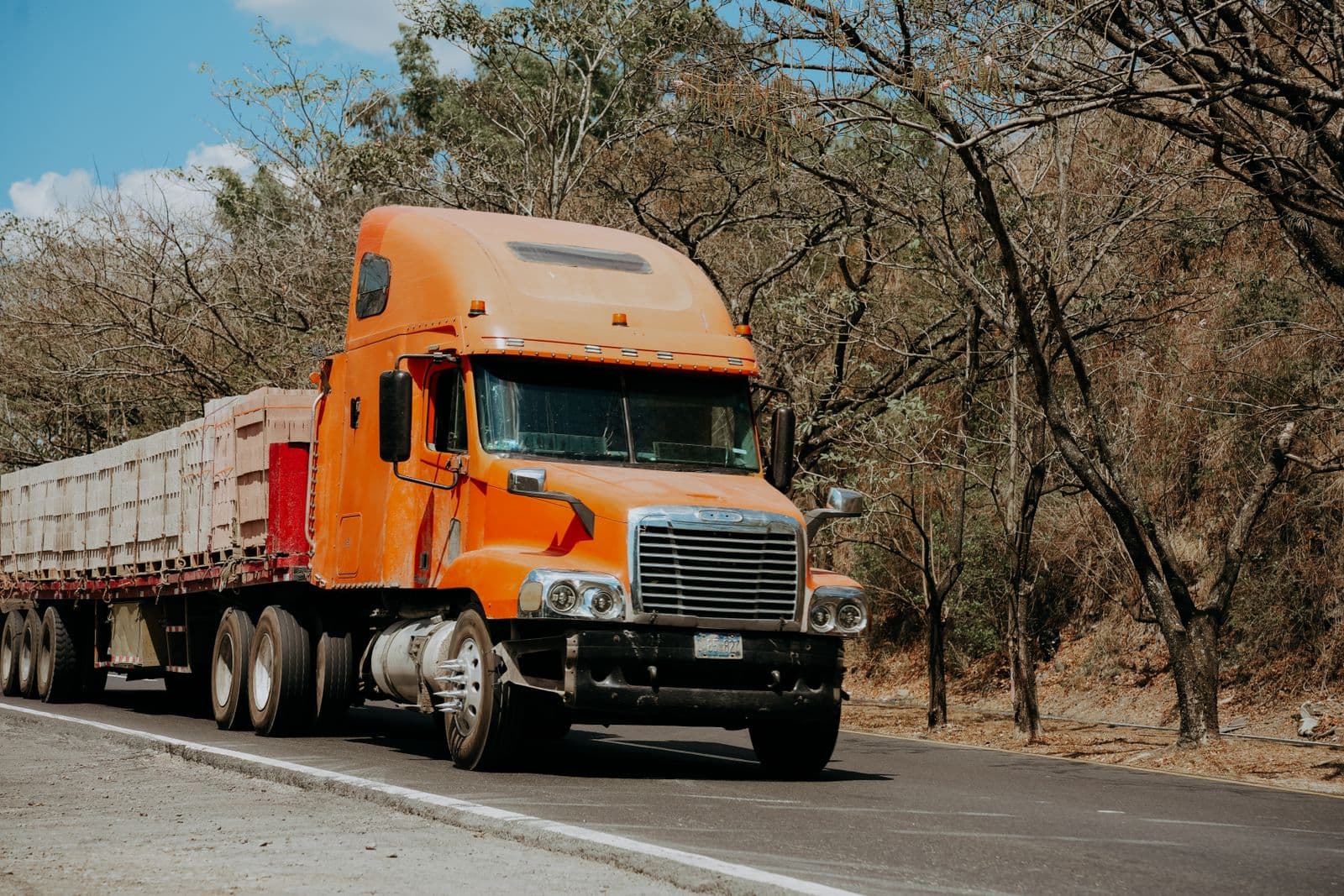
Photo by Tom Jackson on Pexels
Temperature-controlled freight pays a premium over dry van because it demands more from the carrier. Your reefer unit runs around the clock. It needs fuel, maintenance, and attention. Produce loads have tight delivery windows. If your reefer fails en route, you're looking at cargo claims. The premium is real, but so are the costs and the liability. Understanding both is what separates carriers who profit from reefer from those who break even while working harder.
What the market pays for reefer
Reefer spot rates nationally have historically run $0.15 to $0.40 per mile above dry van on comparable lanes, per DAT historical averages. The premium varies by lane, season, and commodity. Strong produce lanes out of California, Florida, and the Pacific Northwest can command higher premiums during harvest seasons. Always check current rates on DAT or Truckstop before negotiating, because spot market conditions move quickly and the premium over van isn't constant. For how reefer stacks up against dry van, flatbed, and other equipment types, see our freight rate benchmarks for 2026.
The additional costs of running a reefer
Reefer fuel
Your refrigeration unit has its own engine and burns diesel independently of your truck. Consumption varies by ambient temperature, setpoint, and unit efficiency, but a typical reefer unit burns 0.4 to 0.8 gallons of diesel per hour. At 0.6 gallons per hour running 24 hours per day, that's 14.4 gallons per day in reefer fuel alone. At $3.85 per gallon, that's $55 per day, or $1,650 per month at continuous operation. This cost exists regardless of whether you're moving or parked at the loading dock.
Reefer maintenance and repair
A reefer unit is a diesel-powered refrigeration system with compressors, condenser coils, evaporator fans, belts, and electrical components. Annual preventive maintenance runs $800 to $1,500, and major component failures (compressor, condenser coil) can cost $3,000 to $8,000 or more. Budget a monthly reserve of $300 to $600 for reefer-specific maintenance on top of your standard truck maintenance costs.
Higher equipment acquisition cost
A new 53-foot reefer trailer costs substantially more than a dry van. Used units in good mechanical condition are available, but the refrigeration unit adds significant purchase cost and maintenance complexity compared to a flat wall dry van. Your trailer financing or depreciation cost is higher, which needs to be captured in your CPM calculation.
Cargo liability exposure
If your reefer fails and the load is damaged or spoiled, you're looking at a cargo claim. Produce loads can be worth $30,000 to $100,000 or more. Your cargo insurance covers these claims, but repeated claims affect your renewal rate. The exposure is real and needs to be part of how you evaluate whether a load's rate justifies its risk.
Food safety compliance (FSMA)
The FDA Food Safety Modernization Act (FSMA) Sanitary Transportation rule applies to most carriers hauling refrigerated food. The requirements include maintaining the required temperature, being able to document it, and keeping the trailer clean. Your reefer unit should have a data recorder that logs temperatures during transit. Shippers may request temperature download records on delivery. If you're new to reefer, review the FSMA requirements and ask shippers what documentation they require before your first food load.
Pre-cooling and setpoint compliance
Many shippers require the trailer to be pre-cooled to setpoint before they'll begin loading. Pre-cooling can take 30 minutes to two hours depending on how warm the trailer was and the setpoint required. Factor this into your pickup appointment planning. Showing up for a refrigerated pickup without the trailer at temperature is a common mistake that can delay loading and put your delivery appointment at risk.
Calculating your true reefer cost per mile
Your effective reefer CPM needs to include everything your dry van CPM covers plus the reefer-specific adds. A rough add-on for reefer costs: $0.20 to $0.35 per mile depending on fuel prices, equipment age, and how many miles per month you run. If your dry van CPM is $1.55 and your reefer add-on is $0.25, your reefer floor rate is $1.80 before owner pay and profit. The market premium of $0.15 to $0.40 over van rates lines up with covering those extra costs, but only if you're hauling efficiently and keeping the unit maintained. Check current reefer rates by lane before you commit to a number, so you know whether the load actually clears your floor.
| Cost factor | Typical add-on | Why it applies |
|---|---|---|
| Reefer unit fuel | $0.15 to $0.25 per mile (est.) | Runs independently of the truck engine, even parked at the dock |
| Reefer maintenance reserve | $300 to $600 per month | Preventive maintenance plus a reserve for compressor or coil failures |
| Equipment premium | Higher trailer payment or depreciation | Reefer trailers cost more new and used than a comparable dry van |
| Cargo liability exposure | Varies by claim history | Produce and protein loads can be worth $30,000 to $100,000 or more |
| Combined reefer add-on to CPM | $0.20 to $0.35 per mile | Total effect on your floor rate versus dry van |
| Market premium over dry van | $0.15 to $0.40 per mile | What the spot market typically pays to cover these extra costs |
Reefer FSC: a separate conversation
Many shippers and brokers pay a reefer fuel surcharge (RFSC) separate from the truck's diesel FSC. It's meant to cover the reefer unit's fuel cost as diesel prices change. Some pay it as a cents-per-mile add-on, others as a flat per-load amount. Verify whether a reefer FSC is included in the rate confirmation or paid separately. If it's absent from a long contract, negotiate for it. Without it, you absorb every fuel price increase on the reefer unit with no mechanism for recovery.
Rigbird's reefer rates page shows current market rates by lane so you know what the market is paying before you negotiate.
See reefer ratesIs reefer right for your operation?
Reefer can be profitable for carriers who run efficiently, maintain their equipment well, and build relationships on consistent lanes. It can be a money trap for carriers who underprice the extra costs or take difficult produce lanes without understanding the delivery pressure. Run the numbers with your actual reefer fuel consumption and maintenance history before comparing it to dry van in your market.
Frequently asked questions
How much more does reefer pay than dry van per mile?
Reefer spot rates have historically run about $0.15 to $0.40 per mile above comparable dry van lanes, per DAT historical averages. The premium varies by lane, season, and commodity, so check current rates before you negotiate rather than relying on a fixed number.
What is a good reefer rate per mile?
A good reefer rate covers your dry van CPM plus a reefer-specific add-on of roughly $0.20 to $0.35 per mile for fuel, maintenance, and equipment costs, then leaves you a margin on top. If your dry van CPM is $1.55, a reefer floor rate starts around $1.80 before owner pay and profit.
How much diesel does a reefer unit burn?
A typical reefer unit burns 0.4 to 0.8 gallons of diesel per hour depending on ambient temperature, setpoint, and unit efficiency. At 0.6 gallons per hour running continuously, that works out to roughly 14.4 gallons a day, a cost that applies whether you're moving or parked at the dock.
Do I need to worry about FSMA compliance hauling reefer freight?
Yes, if you haul refrigerated food, the FDA's Food Safety Modernization Act Sanitary Transportation rule applies. You need to maintain the required temperature, document it, and keep the trailer clean. Ask shippers what temperature records they require before your first food load.
Is reefer freight worth it for owner-operators?
It can be, if you run efficiently, keep your reefer unit maintained, and build relationships on consistent lanes. It can also be a money trap if you underprice the extra costs or take produce lanes without accounting for tight delivery windows. Run the numbers against your actual fuel and maintenance history before you decide.
The Rigbird team writes from direct conversations with owner-operators and small fleet dispatchers using the product every day. Guides are reviewed for accuracy against current FMCSA and IFTA source material before publishing.