How to Start a Trucking Company and Get Your Own Authority
The real steps to get your MC number, DOT number, and operating authority, plus what it actually costs and how long it takes.
By Rigbird Content Team · May 31, 2026 (updated July 25, 2026) · 10 min read

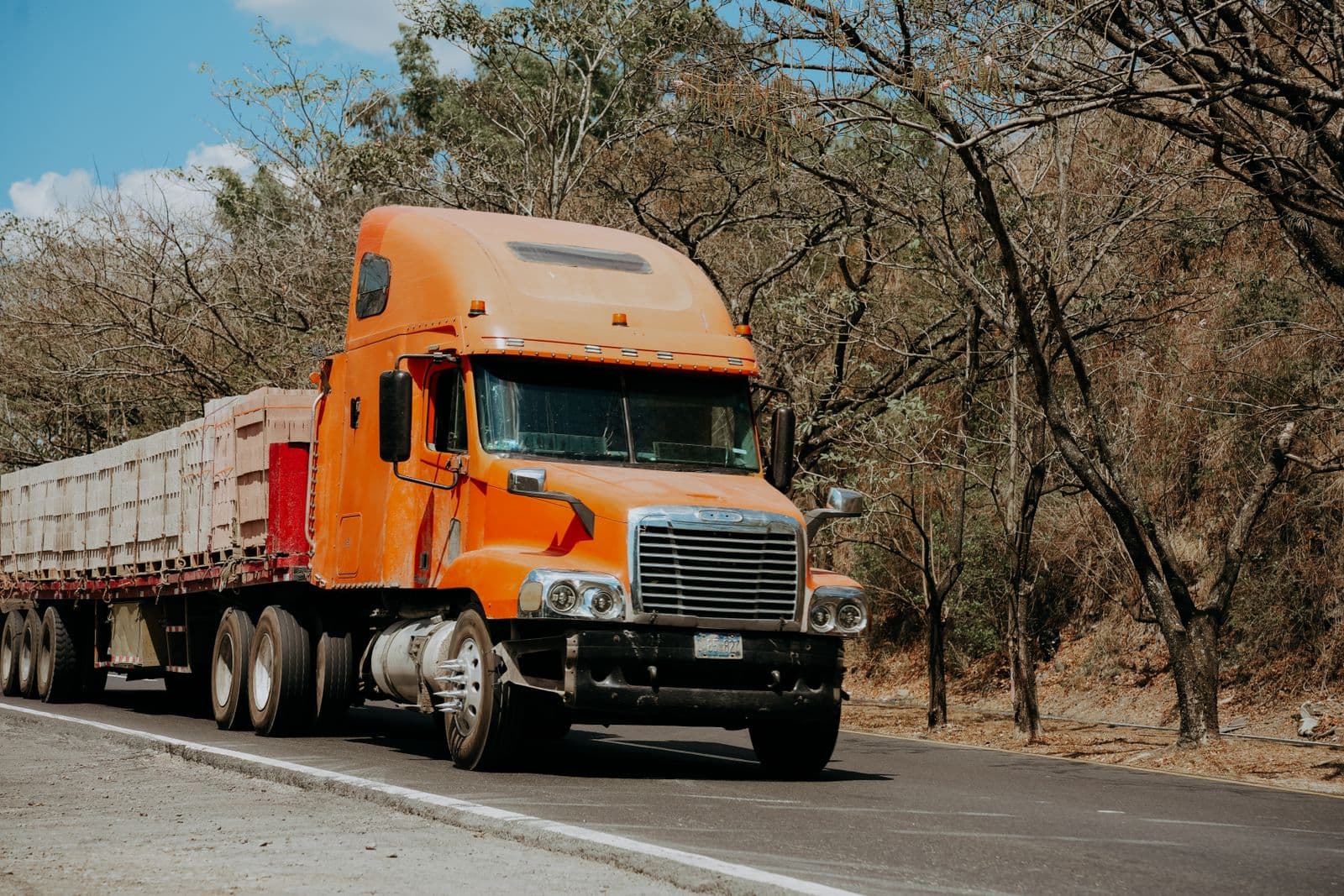
Photo by Pavel Danilyuk on Pexels
Getting your own authority means you can haul freight directly for shippers and brokers without leasing on to a carrier. You keep more of each load rate, build your own carrier profile, and run on your terms. It comes with more paperwork and more responsibility, but for most drivers who are serious about trucking long-term, it's the right move. Here's how the process actually works.
This guide focuses on the authority process itself. If you're still weighing whether your own authority is the right move at all, our guide on how to become an owner-operator compares leasing on with a carrier against running under your own authority. And if you're doing this with a single truck and a tight budget, how to start a trucking business with one truck walks through realistic first-month costs.
Getting your authority is a process, not an event. Budget 4 to 8 weeks from application to your first legal dispatch, and don't book any loads until your authority is confirmed active by FMCSA.
Step 1: Set up your business entity
Before you apply for anything federal, form your business. Most owner-operators go with an LLC (limited liability company) filed in their home state. An LLC keeps your personal assets separate from the business and gives you flexibility on how income is taxed. Cost is typically $50 to $200 depending on the state. You can file online through your state's Secretary of State website.
Once the LLC is formed, get an EIN (Employer Identification Number) from the IRS. It's free and takes about five minutes online at irs.gov. You'll use the EIN for everything: banking, FMCSA registration, insurance, taxes.
Step 2: Get your USDOT number
The USDOT number identifies your company to the federal government and state agencies. For-hire carriers operating commercially across state lines need one. Register through the FMCSA's Unified Registration System. The USDOT number itself is free. You'll enter your company information, vehicle count, and the type of freight you'll haul.
Step 3: Apply for your MC number (operating authority)
The MC number is what gives you authority to operate as a for-hire carrier. Also applied for through the FMCSA URS. As of the time of writing, the application fee is $300, but verify the current fee at fmcsa.dot.gov before you apply since fees are subject to change. You'll specify the type of authority you're applying for, typically motor carrier of property (general freight).
After you apply, there's a mandatory 10-day protest period during which other carriers can object to your authority. Objections are rare for new carriers. After the protest period clears and your insurance and BOC-3 filings are confirmed, your authority goes active.
Step 4: File a BOC-3 (Blanket of Coverage)
A BOC-3 designates process agents in every state where you operate. These agents receive legal documents on your behalf if you're sued in a state where you don't have a physical office. You can't get authority without one. BOC-3 filers are third-party companies that handle this for a small annual fee, typically $30 to $60. File it through the FMCSA portal or directly with your process agent.
Step 5: Get your insurance
FMCSA requires proof of insurance before your authority goes active. The minimum primary liability for general freight is $750,000. For hazmat, the minimum is higher. Most small carriers end up with $1,000,000 in primary liability because that's what most brokers require to book loads with you. Your insurance provider files the required Form MCS-90 directly with FMCSA.
You'll also want cargo insurance (typically $100,000, though some shippers and brokers require more) and physical damage coverage for your truck. Insurance is the single largest startup cost for most new carriers. Expect to pay $8,000 to $18,000 or more per year for a new authority with no carrier safety history, depending on your equipment, freight type, and driving record.
Step 6: Register for UCR
UCR (Unified Carrier Registration) is an annual fee paid to your base state for the right to operate commercially across state lines. The fee is based on fleet size. For one truck, it's currently in the range of $60 to $70 per year (verify current rates at ucr.gov). UCR must be renewed each year.
Step 7: Get IRP plates and IFTA registration
If you operate in multiple states (and almost every interstate carrier does), you need IRP (International Registration Plan) apportioned plates instead of a standard state plate. IRP plates are issued by your base state and cover all member jurisdictions. Apply through your state's motor vehicle or motor carrier office.
Register for IFTA in your base state at the same time. IFTA is the fuel tax agreement that lets you file a single quarterly return for fuel taxes across all states and Canadian provinces you operate in. Once you're registered, our guide on how to file IFTA walks through the quarterly filing process. Most states issue your IFTA decals within a week or two of application.
What it costs to start
- LLC formation: $50 to $200 (varies by state)
- USDOT number: free
- MC number application: check fmcsa.dot.gov for current fee
- BOC-3 filing: $30 to $60 per year
- Insurance (primary liability + cargo): $8,000 to $18,000+ per year
- UCR: $60 to $70 per year for one truck (verify at ucr.gov)
- IRP plates: varies significantly by state and miles apportioned
- IFTA registration: typically free or very low cost
How long it takes
From the day you file your MC application to the day your authority is active, budget 4 to 8 weeks if everything goes smoothly. The 10-day protest period is mandatory. Insurance filing and confirmation with FMCSA can take a few business days. IRP plates can take 2 to 4 weeks through your state's motor carrier office. Don't commit to any loads or sign a truck purchase contract banking on hauling in two weeks.
| Milestone | Typical time |
|---|---|
| LLC formation and EIN | 1 to 3 days |
| MC number application submitted | Same day, once you have your USDOT number |
| Mandatory protest period | 10 days |
| Insurance and BOC-3 confirmed with FMCSA | A few business days once filed |
| Authority goes active | 4 to 8 weeks from application, all steps combined |
| IRP plates issued | 2 to 4 weeks |
| IFTA decals issued | 1 to 2 weeks |
Rigbird is free for owner-operators just getting started. Track loads, manage dispatch, and handle IFTA from day one without the price tag of legacy TMS software.
Start freeConfirm everything with FMCSA
This overview describes the general process as of mid-2026. Requirements, fees, and procedures change. Before you begin, review the current requirements at fmcsa.dot.gov and contact your base state's motor carrier office. Getting authority wrong or incomplete can mean operating illegally, which puts your business at risk before it starts.
Frequently asked questions
How much does it cost to start a trucking company with your own authority?
Budget roughly $9,000 to $19,000 for the first year once you add up LLC formation, the MC application fee, BOC-3 filing, insurance, UCR, and IRP costs. Insurance is by far the biggest line item for a new authority with no safety history, often $8,000 to $18,000 or more on its own.
How long does it take to get your own operating authority?
Budget 4 to 8 weeks from the day you file your MC application to the day your authority goes active. Most of that time is the mandatory 10-day protest period plus a few business days to confirm insurance and BOC-3 filings with FMCSA.
Do I need an LLC to start a trucking company?
You don't strictly need one, but most owner-operators form an LLC before applying for authority. It separates your personal assets from the business and keeps banking, insurance, and tax filings straightforward.
What's the difference between a USDOT number and an MC number?
A USDOT number identifies your company to federal and state agencies and is free to obtain. An MC number is the actual operating authority that lets you haul for-hire freight, and it comes with an application fee and a mandatory protest period.
Can I start a trucking company with just one truck?
Yes. Plenty of authorities start with a single truck and grow from there. The process and costs described here apply the same way whether you're running one truck or five.
The Rigbird team writes from direct conversations with owner-operators and small fleet dispatchers using the product every day. Guides are reviewed for accuracy against current FMCSA and IFTA source material before publishing.