Flatbed Rates Per Mile: What to Charge and Why
Flatbed pays a premium over dry van, but only if you understand the extra costs it's meant to offset. Here's how to price flatbed loads correctly.
By Rigbird Content Team · May 11, 2026 (updated July 25, 2026) · 8 min read

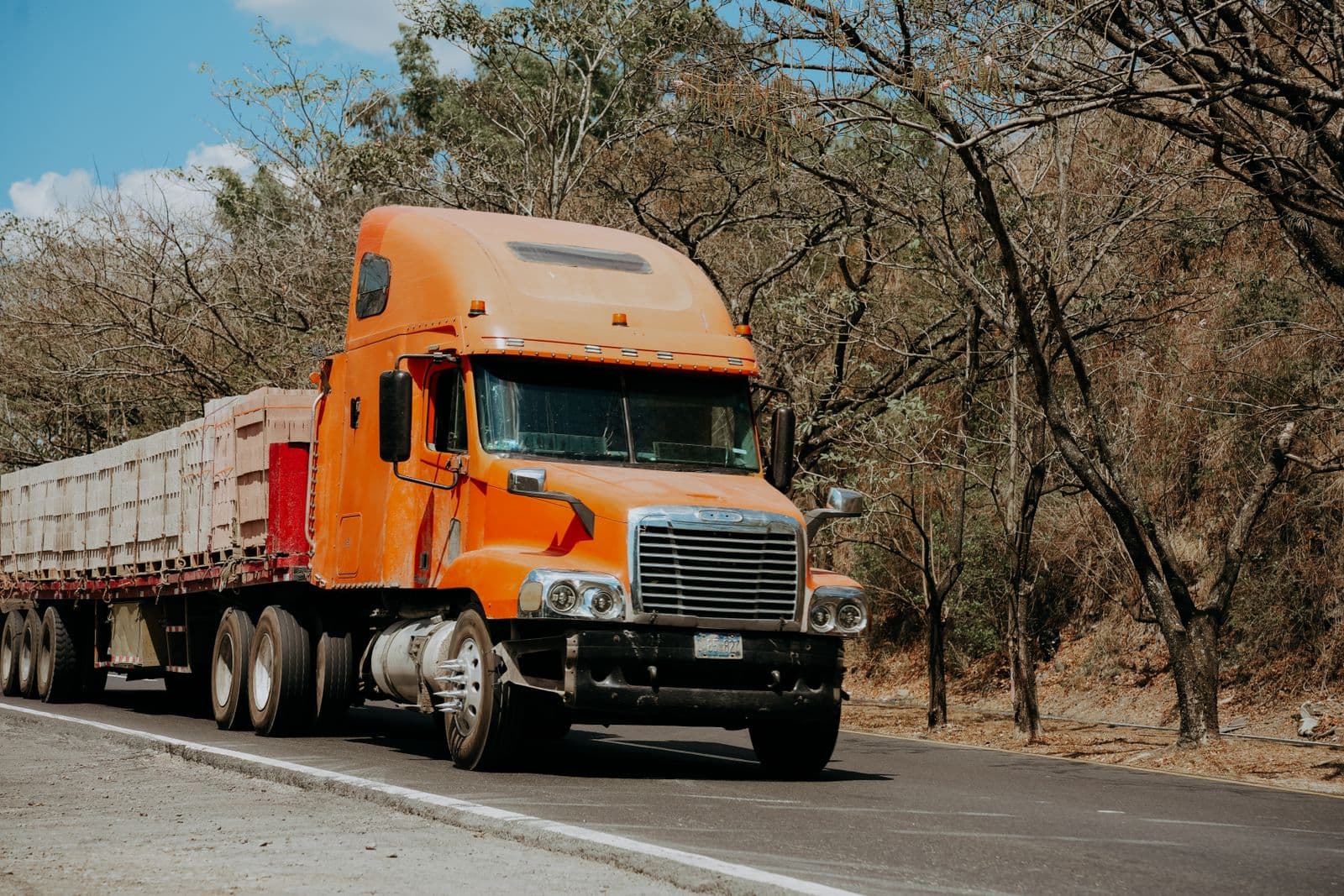
Photo by Aslam Athanikkal on Pexels
Flatbed isn't for everyone, but it has a loyal following for a reason. Rates tend to be better than dry van. The freight is varied and often interesting. And the load securement and tarping skills that come with experience are a real competitive edge that not every driver has. Getting your rates right on flatbed requires understanding both the market and the extra costs you're covering that dry van operators don't pay.
Why flatbed rates run higher than dry van
Flatbed pays more because it asks more. Tarping adds 30 to 90 minutes per load and takes physical effort and practice to do safely. Securement requires real knowledge of chain ratings, binder types, and DOT regulations. Loading and unloading on flatbed often can't happen without driver involvement: positioning the tarp, walking the deck, checking and rechecking chains and straps. Not every truck driver can or wants to do this work, which keeps the supply of qualified flatbed operators lower than van.
Equipment also costs more. A flatbed trailer runs $25,000 to $50,000+ new. You need a full set of tarps (lumber, steel, coil), chains, straps, binders, and edge protectors, which can cost $3,000 to $5,000 to outfit correctly. That investment needs to be covered by your rates.
What the market pays for flatbed
Per DAT historical data, flatbed spot rates nationally have generally ranged from $2.00 to $2.80 per mile in recent years, with significant variation by lane, season, and market conditions. Flatbed typically runs $0.10 to $0.35 above comparable dry van lanes. The premium is larger in some markets and during peak construction season (spring through fall) when demand for flatbed is highest. For how that premium compares against dry van, reefer and other equipment types, see our 2026 freight rate benchmarks by equipment.
| Rate component | Typical range | Notes |
|---|---|---|
| National flatbed spot rate | $2.00 to $2.80 per mile | Per DAT historical data; varies by lane, season and market conditions |
| Premium over comparable dry van | $0.10 to $0.35 per mile | Larger during peak construction season, spring through autumn |
| Tarping accessorial (paid separately) | $25 to $75 per tarp, or $50 to $150 per load | Confirm with the broker whether tarping is separate or built into the rate |
| Trailer and tarping gear cost added to CPM | $0.12 to $0.17 per mile | Trailer payment, insurance and maintenance, plus tarp, chain and strap wear |
| Target margin above floor rate | $0.25 to $0.40 per mile | Added on top of your floor rate before you start negotiating |
Always verify current flatbed rates for specific lanes using DAT or Truckstop before negotiating. Historical averages give you context; current market rates give you leverage.
Tarping pay: separate or built in
Some shippers and brokers pay tarping as a separate accessorial: typically $25 to $75 per tarp used, or a flat $50 to $150 per load. Others include it in the rate. Know which structure applies before you book. A load paying $2.30 per mile all-in with a full steel tarp required is a different proposition than $2.30 per mile with $150 in tarping paid separately.
Oversized and overweight freight
Flatbed carriers who run oversize loads (permitted freight exceeding standard width, height, length, or weight limits) can command significantly higher rates. Oversized rates reflect the permit cost, the pilot car requirements, the restricted travel windows, and the increased liability. If you're equipped and certified to run oversized, that niche can be very profitable, especially for crane moves, wind energy components, and heavy equipment.
Calculating your flatbed floor rate
Your floor rate is the minimum you can haul at and cover your costs. Calculate it from your CPM plus the equipment-specific costs flatbed adds: tarp replacement (tarps last 2 to 5 years depending on use), chain and strap wear, higher maintenance from heavier freight.
Example: If your CPM (truck only, excluding trailer) is $1.45, your trailer adds $0.12/mile in prorated cost (payment, insurance, maintenance), and your tarping/securement gear adds $0.05/mile prorated, your floor rate before owner pay is around $1.62/mile. Add your target margin of $0.25 to $0.40/mile and you have a rate you can negotiate from.
Common flatbed commodities and what they pay
- Steel coils and structural steel: often highest paying due to securement complexity and weight
- Lumber and building materials: seasonal demand, wide range of rates depending on market
- Construction equipment: often short hauls, higher rates but less mileage
- Agricultural equipment: seasonal, can be very high in spring but limited window
- Wind turbine components and oversized industrial: highest rates, requires specialized permits and setup
- Machinery and manufacturing freight: steady demand, typically good rates
Seasonality on flatbed
Flatbed demand tracks construction activity closely. Spring and summer are peak season. Rates are strongest from March through October in most regions. Winter slows down, particularly in northern markets, and rates soften. If you can be flexible about taking contract freight in winter to fill the gaps, that smooths out the revenue pattern significantly.
Check current flatbed market rates by lane on Rigbird's free rates page before you negotiate your next load.
See flatbed ratesThe negotiating edge
Flatbed carriers who know their costs and understand the freight market negotiate better. When a broker offers $2.10 and you know the current market for that lane is $2.25 to $2.40, you can push back with confidence. The brokers who win by lowballing rely on carriers who don't know the market. Know the market.
Frequently asked questions
How much more does flatbed pay than dry van?
Flatbed typically runs $0.10 to $0.35 per mile above comparable dry van lanes, with national flatbed spot rates generally ranging from $2.00 to $2.80 per mile per DAT historical data. The premium is larger in some markets and during peak construction season, spring through autumn.
Is tarping paid separately on flatbed loads?
It depends on the shipper or broker. Some pay tarping as a separate accessorial, typically $25 to $75 per tarp used, or a flat $50 to $150 per load. Others build it into the all-in rate. Confirm which structure applies before you book, since the same headline rate can mean very different things.
How do I calculate my flatbed floor rate?
Start with your truck-only CPM, then add your flatbed-specific costs: trailer payment, insurance and maintenance, plus tarp, chain and strap wear, which typically adds $0.12 to $0.17 per mile. That gives you your floor rate. Add a target margin of $0.25 to $0.40 per mile on top before you start negotiating.
What flatbed freight pays the most?
Steel coils and structural steel tend to pay well due to securement complexity and weight, and wind turbine components and other oversized industrial freight pay the highest rates because they require specialized permits, pilot cars and restricted travel windows. Construction and agricultural equipment can also pay well but tend to be seasonal.
Do flatbed rates change with the season?
Yes. Flatbed demand tracks construction activity closely, so rates are strongest from March through October in most regions and soften over winter, particularly in northern markets. Taking on contract freight over winter is one way to smooth out the seasonal dip in spot rates.
The Rigbird team writes from direct conversations with owner-operators and small fleet dispatchers using the product every day. Guides are reviewed for accuracy against current FMCSA and IFTA source material before publishing.