DOT Number vs MC Number: What Each One Actually Means
USDOT number and MC number explained: who needs which, how they differ, how to apply through FMCSA, and the mistakes new owner-operators make.
By Rigbird Content Team · August 12, 2026 · 8 min read

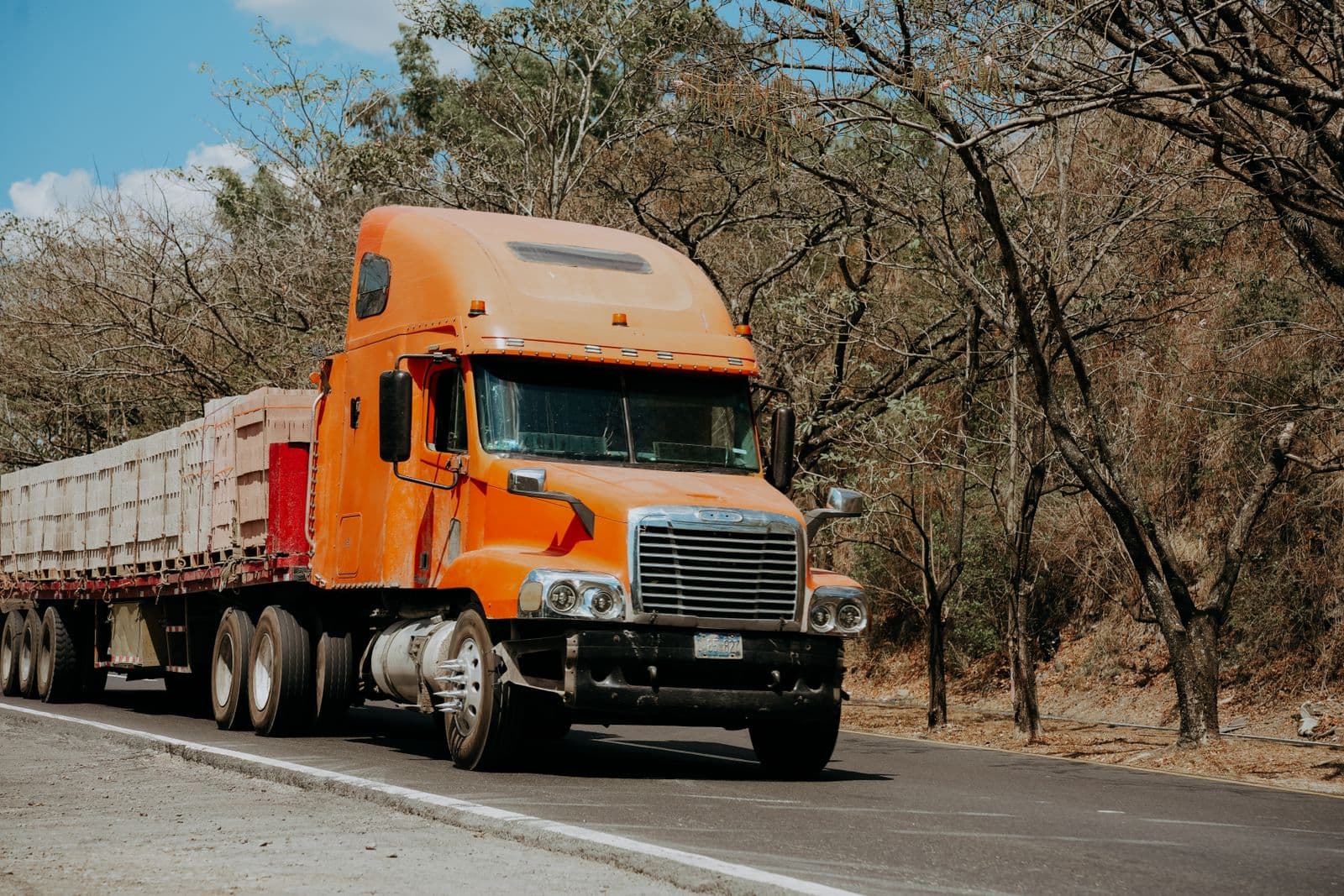
Photo by Gustavo Fring on Pexels
Two numbers show up constantly when you're setting up a trucking business: a USDOT number and an MC number. New owner-operators often assume they're the same thing, or that getting one automatically gets you the other. They're not the same, they're issued for different reasons, and mixing them up is one of the most common setup mistakes a new carrier makes. This guide explains what each number actually identifies, who needs which one, how to apply through FMCSA, and what tends to trip people up.
What a USDOT number actually is
A USDOT number is a unique identifier the Federal Motor Carrier Safety Administration assigns to a company to track its safety record. It's the number tied to your inspections, crash reports, and compliance history, the one you'll see stencilled on the door of a commercial truck. If your vehicle operates in interstate commerce and has a gross vehicle weight rating over 10,000 pounds, or if you're transporting hazardous materials in quantities requiring placards, you generally need a USDOT number regardless of whether you're a for-hire carrier hauling other people's freight or a private carrier hauling your own company's goods. Many states also require a USDOT number for intrastate commercial operations above certain weight thresholds, so check your own state's motor carrier or department of transportation rules if you never cross state lines.
Once you have a USDOT number, it doesn't sit there passively. You're required to update your carrier information with FMCSA every two years through what's known as the biennial update, even if nothing about your business has changed. Miss that update and your number can be deactivated, which creates its own headaches with insurance, brokers, and roadside enforcement.
What an MC number (operating authority) actually is
An MC number, more precisely called operating authority, is FMCSA's permission for a for-hire carrier to transport regulated freight or passengers across state lines for compensation. Where a USDOT number is about safety tracking, operating authority is about the economic right to haul someone else's freight for money. If you're a private carrier moving only your own company's goods, you generally don't need operating authority at all, just a USDOT number. If you're for-hire and hauling freight that belongs to other people or businesses, you typically need both.
There's a nuance worth knowing here, and it's changed recently. As of late 2025, FMCSA stopped issuing new MC, MX, and FF docket numbers to new authority applicants as part of a broader shift toward a single USDOT-number-based registration system. If you already hold an MC number issued before that change, it remains valid and you keep using it. If you're applying for operating authority for the first time now, you'll still go through essentially the same approval process, insurance filings, and process-agent requirement, but the registration system behind it has moved from the older Unified Registration System (URS) toward FMCSA's newer Motus platform, which was rolling out through 2026. The practical result is the same either way, you still need approved operating authority to haul for-hire interstate freight, but the exact portal and paperwork you'll use depends on when you apply. Check FMCSA's registration pages for the current system before you start.
Who needs which: a quick reference
| Carrier type | USDOT number | Operating authority (MC number) |
|---|---|---|
| For-hire carrier, interstate, hauling regulated freight | Required | Required |
| For-hire carrier, interstate, hauling exempt commodities (certain unprocessed agricultural products, for example) | Required | Often not required, but the exemptions are narrow and commodity-specific, confirm with FMCSA before assuming you qualify |
| Private carrier hauling your own company's freight, interstate | Required (above the weight threshold) | Not required |
| For-hire passenger carrier, interstate, for compensation | Required | Required (separate passenger operating authority) |
| Intrastate-only carrier | Usually required above your state's weight threshold, check state rules | Usually not, state-level authority rules apply instead of federal operating authority |
The most common mismatch is a new owner-operator who registers for a USDOT number, assumes that's the whole job, and then finds out at broker onboarding that they can't legally haul the load without operating authority too. Brokers and shippers routinely check both numbers before dispatching a load to a new carrier, so having only one when the job needs both stalls you before you ever get to the dock.
How to apply for each
- Confirm which one (or both) you actually need, based on whether you're for-hire or private carriage, and whether you're crossing state lines.
- Register with FMCSA to get your USDOT number, providing your legal business name, business structure, address, and vehicle and driver information.
- If you need operating authority, file a separate application for the type of authority that matches your operation (common carrier property authority is the standard one for most owner-operators hauling general freight for pay).
- Arrange the required insurance filings (commonly referenced as BMC-91 or BMC-91X for property carriers) through your insurance provider, and designate a process agent in every state you operate in, usually handled through a BOC-3 filing.
- Pay the applicable registration fees for each filing. These change periodically, so check the current fee schedule on FMCSA's registration pages rather than relying on a number you saw elsewhere.
- Wait for your authority to become active. Approval and activation aren't the same moment, your authority typically isn't usable until the insurance and process-agent filings are confirmed on file, which can take longer than the initial approval itself.
- Register for Unified Carrier Registration (UCR) if you operate interstate, this is a separate annual requirement from your USDOT number and operating authority.
None of the fees, processing times, or specific portal names in this guide are quoted as fixed figures, because FMCSA's registration system and fee schedule change periodically, most recently with the shift away from new MC number issuance. Always check fmcsa.dot.gov directly for the current process before you apply.
Start freeCommon mistakes new owner-operators make
- Assuming a USDOT number alone lets you haul for-hire freight for other companies. It doesn't. You need operating authority on top of it if you're transporting regulated freight that isn't your own.
- Applying for operating authority when you're only hauling your own company's goods, which usually isn't required for private carriage and just adds an unnecessary filing and fee.
- Treating authority approval as the finish line, then getting surprised when loads can't be dispatched because the insurance or process-agent filing hasn't posted yet.
- Forgetting the biennial MCS-150 update on the USDOT number, which can quietly deactivate a number that's otherwise in good standing.
- Not realising that Unified Carrier Registration is a separate annual filing from both the USDOT number and operating authority, and missing it.
- Confusing an existing, valid MC number with the current registration process for new applicants, and assuming an old blog post's fee figures or portal instructions still apply exactly as written.
Once your numbers are active, both show up constantly in the paperwork side of the job, on your rate confirmations, your invoices, and your IFTA registration. If you're setting up authority for the first time, it's worth reading through our guide on how to start a trucking company for the fuller sequence, since operating authority is one step in a longer setup process that also covers insurance, an LLC or business structure, and your first truck.
Once your authority is active, Rigbird's invoicing keeps your USDOT and MC numbers on every rate confirmation and invoice automatically, so nothing gets left off a broker's paperwork by accident.
Read the broker invoicing guideFrequently asked questions
What is the difference between a DOT number and an MC number?
A USDOT number identifies a company for safety tracking, inspections, and crash reporting, and is required for most commercial vehicles operating in interstate commerce. An MC number, or operating authority, is separate permission for a for-hire carrier to transport regulated freight or passengers across state lines for compensation. A private carrier hauling only its own freight typically needs a USDOT number but not operating authority.
Do I need an MC number if I only have a USDOT number?
It depends on what you're hauling. If you're a for-hire carrier transporting regulated freight that belongs to other businesses across state lines for pay, you generally need operating authority in addition to your USDOT number. If you're a private carrier moving only your own company's goods, a USDOT number is usually sufficient on its own.
Are MC numbers still being issued?
As of late 2025, FMCSA stopped issuing new MC, MX, and FF docket numbers to new authority applicants as part of a shift toward a single USDOT-number-based registration system. Existing MC numbers issued before that change remain valid. New applicants still go through an equivalent operating authority process, just through FMCSA's current registration system rather than being issued a traditional new MC number. Check FMCSA's registration pages for the current details before applying.
How long does it take to get a USDOT number and operating authority?
Timelines vary and change as FMCSA's registration systems change, so there's no fixed number that stays accurate for long. Getting your USDOT number is typically the faster step. Operating authority generally isn't usable until your insurance and process-agent filings are also confirmed on file, which can take longer than the initial approval, so plan for that gap before you count on hauling a load.
Does a private carrier need an MC number?
Generally no. Private carriers, meaning businesses that transport only their own goods rather than freight belonging to other companies, typically need a USDOT number if they meet the weight or hazmat thresholds, but they don't need for-hire operating authority since they aren't transporting regulated freight for compensation.
The Rigbird team writes from direct conversations with owner-operators and small fleet dispatchers using the product every day. Guides are reviewed for accuracy against current FMCSA and IFTA source material before publishing.